
What Happens After the Bin? Why Waste Segregation, Tracking and Accountability Matter in 2026

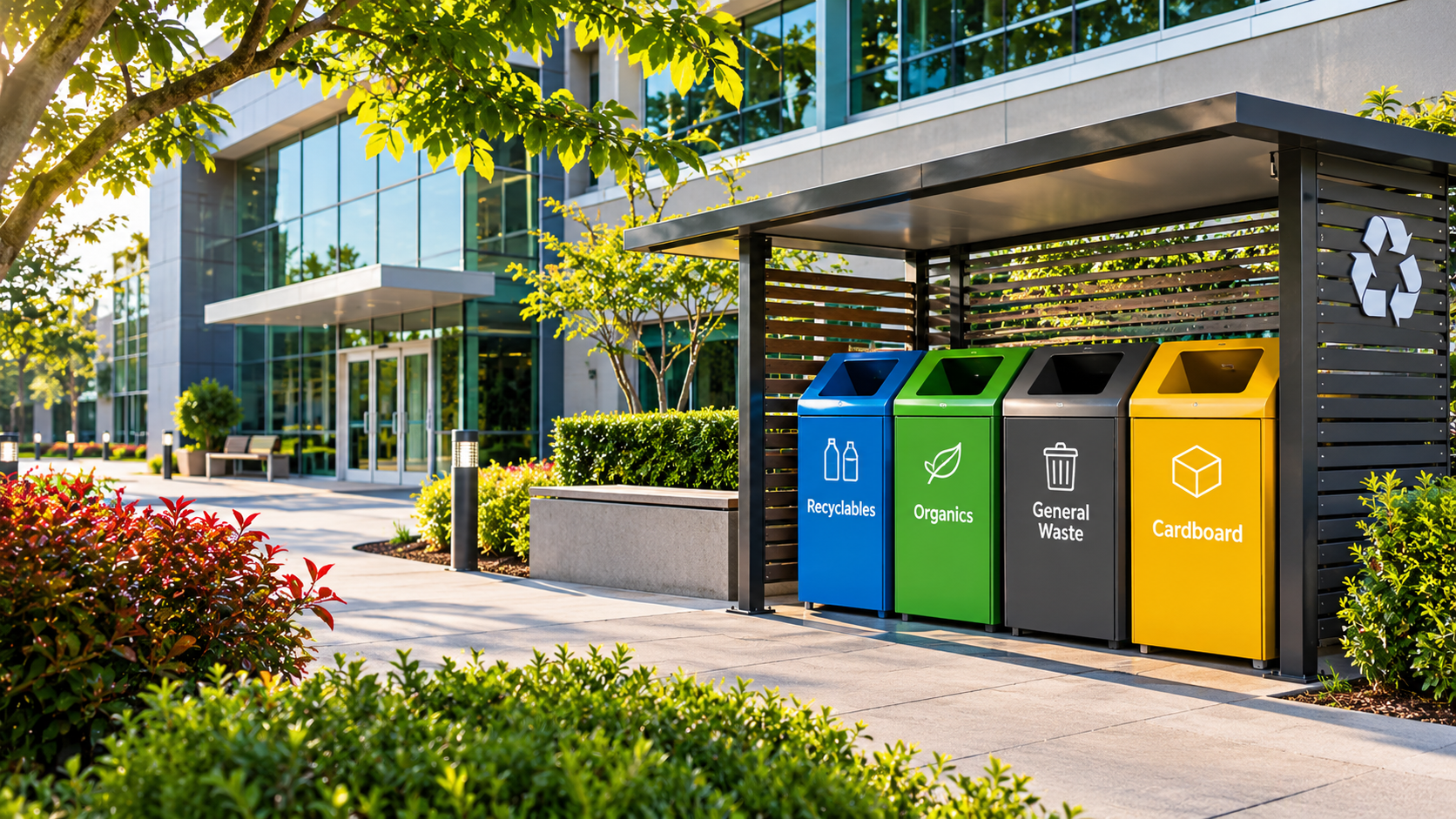
Waste management does not end when waste is placed in a bin. What happens next - from segregation and collection to transportation, processing and final disposal - plays an important role in maintaining safe, efficient and environmentally responsible facilities.
For commercial organizations and federal agencies, managing waste has become more complex. Improper segregation, contaminated recycling materials, inconsistent collection practices and limited visibility into waste-handling processes can create operational challenges and increase environmental and safety risks. As facility managers place greater emphasis on accountability and responsible resource management, understanding how waste moves through the entire disposal process is becoming increasingly important.
In 2026, the conversation is shifting beyond waste collection toward better tracking, clearer processes and more informed waste-management decisions. Organizations need structured approaches that help identify potential issues, improve material handling and support applicable compliance requirements.
At Nascence Group, waste management is approached through structured processes, trained professionals, proper segregation, advanced tracking practices and timely removal. These practices help federal and commercial facilities maintain safer, more organized and efficient operations.
1. The Hidden Problem: When Recycling Becomes Contaminated
Recycling programs depend on more than providing separate collection containers. The materials placed inside those containers must also be appropriate for the intended recycling stream.
When food waste, liquids, plastic bags, batteries or other unsuitable materials enter recycling containers, they can contaminate otherwise recoverable materials. This may make sorting more difficult, reduce material quality and, in some cases, result in recyclable materials being rejected.
For facilities handling significant quantities of waste, these problems can become recurring operational challenges.
Consider a commercial office environment. Paper, cardboard, packaging, food waste and general refuse may all be generated throughout the working day. Without clear segregation procedures and consistent collection practices, these materials can easily become mixed.
Improving recycling outcomes therefore begins at the point of generation.
Facilities should consider:
- Providing clearly identified collection containers for different waste streams.
- Communicating what materials belong in each container.
- Keeping recycling areas accessible and organized.
- Monitoring recurring contamination issues.
- Reviewing collection practices with waste-management providers.
The objective is not simply to collect more material. It is to improve the quality of the material being collected.
2. Why Proper Waste Segregation Needs More Attention in 2026
Waste segregation is one of the foundations of responsible waste management.
Separating materials according to their characteristics and appropriate handling requirements helps organizations maintain better control over waste streams. It also supports recycling, reduces unnecessary mixing and helps identify materials that require separate management.
The challenge is consistency.
A facility may establish a waste-segregation policy, but that policy only works when employees, contractors and waste-management personnel follow the same procedures.
For example, common facility waste streams may include:
General waste: Materials that are not accepted through the facility's available recycling programs.
Paper and cardboard: Recyclable materials that should be kept separate from food residue, liquids and other contaminants.
Plastic and metal packaging: Materials that should be sorted according to the requirements of the local recycling provider.
Organic waste: Food scraps and other biodegradable materials, where a suitable collection or composting program exists.
Special handling materials: Batteries, electronic equipment, chemicals and other items that may require separate collection and handling under applicable requirements.
Not every facility will generate all these waste streams, and local recycling acceptance rules can differ. A waste-management program should therefore reflect the actual materials generated at the site and the services available through authorized providers.
Effective segregation starts with understanding what a facility produces and establishing procedures that can be followed consistently.
3. Battery Waste and Facility Safety Risks Cannot Be Ignored
One of the important waste-management developments receiving attention in 2026 is the risk associated with lithium-ion batteries entering ordinary waste and recycling streams.
These batteries are found in everyday equipment, including laptops, mobile devices, power tools, electronic accessories and rechargeable products.
When damaged or improperly handled, lithium-ion batteries can create fire risks. If they enter ordinary waste collection or recycling systems, they may be crushed or damaged during transportation and processing.
A November 12, 2026 article in Environmental Protection highlighted this concern and reported that the U.S. Environmental Protection Agency tracked 245 fires caused, or likely caused, by lithium-ion batteries at 64 waste facilities across 28 states between 2013 and 2020.
This demonstrates why facilities should not treat every discarded item as ordinary waste.
Organizations should establish appropriate procedures for identifying and separating batteries and other materials that require special handling. Employees should know which materials must never be placed in general waste or ordinary recycling containers and where to find approved collection arrangements.
Facilities should also follow applicable local, state and federal requirements and use qualified collection or disposal providers where specialized handling is necessary.
The important lesson: Better waste segregation is not only about recycling performance. It can also help prevent potentially dangerous materials from entering inappropriate waste streams.
4. Waste Tracking: Understanding Where Materials Actually Go
Collecting waste is only one part of the process. Organizations also need visibility into collection schedules, material volumes, service completion and waste-handling activities.
Without reliable records, facility managers may find it difficult to identify recurring problems or evaluate whether their waste-management arrangements are working effectively.
For example, a facility may experience frequent overflowing containers, irregular collections or increasing quantities of general waste. Without proper monitoring, these issues can remain unnoticed until they begin affecting daily operations.
A structured tracking approach can help organizations understand:
- What types of waste are being generated.
- How frequently waste is collected.
- Whether scheduled collections are completed.
- Where recurring waste-management problems occur.
- Whether segregation procedures are being followed.
- How service performance changes over time.
Tracking does not necessarily require a complex digital platform. Depending on the facility's size and operational requirements, organized service records, collection reports, inspection logs and digital monitoring tools can all contribute to better visibility.
The important factor is having reliable information that supports informed decisions.
For federal and commercial facilities, this visibility can also help improve coordination between facility managers, internal teams and external waste-management providers.
5. From Waste Collection to Measurable Accountability
Waste-management performance should not be evaluated only by whether collection containers are emptied on schedule.
Organizations also need to understand whether their waste-management arrangements are meeting operational expectations.
This requires clearly defined responsibilities and consistent communication.
For example, facility managers should understand who is responsible for maintaining collection areas, monitoring waste segregation, reporting service issues and coordinating the removal of accumulated materials.
Waste-management providers should also have clearly defined service expectations, collection schedules and reporting arrangements.
Useful performance indicators may include:
- Collection schedule completion.
- Frequency of overflowing or missed collections.
- Reported contamination issues.
- Waste volumes by material category, where measured.
- Recycling quantities and diversion rates, where reliable data is available.
- Timeliness of service issue resolution.
These measurements can help facilities identify areas requiring attention and assess whether their existing waste-management arrangements remain appropriate.
Accountability is especially important in facilities with multiple buildings, departments, contractors or operational locations. Consistent procedures help reduce confusion and make waste-management responsibilities easier to monitor.
6. Sustainability Begins Before Waste Leaves the Facility
Sustainable waste management is not limited to recycling.
The U.S. Environmental Protection Agency's waste-management hierarchy places source reduction and reuse above recycling, energy recovery and treatment or disposal.
This means organizations should first consider whether unnecessary waste can be prevented before deciding how to manage materials after they are discarded.
For commercial and federal facilities, practical opportunities may include:
Reducing unnecessary material consumption: Reviewing purchasing practices, packaging requirements and frequently discarded supplies.
Encouraging reuse: Identifying materials and equipment that can be reused safely instead of immediately discarded.
Improving recycling practices: Separating accepted recyclable materials and reducing contamination.
Reviewing waste-generation patterns: Understanding which activities generate the most waste and where improvements are possible.
Supporting responsible disposal: Ensuring materials are directed through appropriate collection and disposal channels.
These practices can help organizations make better use of resources while improving their overall waste-management approach.
However, sustainability initiatives should be based on actual facility requirements, available infrastructure and measurable results rather than assumptions.
7. Practical Steps for Better Waste Management Across Facilities
Improving waste-management operations does not always require a complete overhaul. In many cases, organizations can make meaningful progress by reviewing existing procedures and addressing recurring problems.
Here are several practical considerations for facility managers.
Start with a waste assessment.
Understand the types and approximate quantities of waste generated across different areas of the facility. This provides a starting point for identifying segregation and collection requirements.
Establish clear segregation procedures.
Make collection arrangements easy to understand. Clearly identify containers and communicate which materials belong in each waste stream.
Review collection frequency.
Collection schedules should reflect actual waste generation, facility occupancy and operational requirements. Inadequate collection can lead to overflowing containers and disruption.
Monitor waste-handling areas.
Regular inspections can help identify contamination, damaged containers, poor housekeeping and other recurring problems.
Maintain reliable service records.
Document collection activities, service issues and corrective actions. This makes it easier to evaluate performance and identify areas for improvement.
Coordinate with qualified providers.
Ensure that collection, transportation and disposal arrangements reflect applicable requirements and the materials being handled.
Review performance periodically.
Waste-management procedures should be reviewed as facility operations, waste volumes and service requirements change.
The objective is to establish a practical system that works consistently rather than relying on occasional corrective action.
8. Waste Management Challenges in Federal and Commercial Facilities
Federal and commercial facilities can have very different operating environments, but both require reliable waste-management arrangements.
Large commercial properties may generate waste across offices, common areas, kitchens, storage spaces and loading zones. Changes in occupancy, business activity and operating schedules can influence collection requirements.
Federal facilities may have additional considerations relating to operational procedures, site-specific requirements, procurement expectations and applicable environmental regulations.
Across both environments, several challenges are common:
Operational consistency: Maintaining the same waste-handling standards across different buildings and work areas.
Service coordination: Ensuring collection schedules and removal activities align with facility operations.
Segregation quality: Preventing recyclable and special-handling materials from becoming mixed with general waste.
Documentation and accountability: Maintaining clear records of services, inspections and reported issues.
Changing requirements: Reviewing procedures when waste streams, regulations or facility operations change.
Addressing these challenges requires more than occasional waste removal. It requires structured service delivery, communication and consistent oversight.
9. How Nascence Group Supports Waste Management Operations
For federal agencies and commercial organizations, waste management needs to be dependable, organized and aligned with the operating requirements of each facility.
Nascence Group provides waste-management support through structured handling processes and service arrangements designed around the needs of the organization.
Its stated capabilities include:
- Proper waste segregation and handling.
- Timely waste removal.
- Trained waste-management professionals.
- Advanced tracking practices.
- Structured and compliance-focused processes.
- Environmentally responsible waste-management practices.
- Customized support for federal and commercial facilities.
These capabilities support a more organized approach to managing waste across facility operations.
By emphasizing proper handling, consistent service delivery and operational visibility, Nascence Group helps organizations address waste-management responsibilities as part of their broader facility-support requirements.
Learn more about Nascence Group's Waste Management Services.
Conclusion: Better Waste Management Starts with Better Visibility
What happens after waste enters a collection container matters just as much as the collection process itself.
Poor segregation, contaminated recycling materials, inappropriate disposal and limited tracking can create challenges that extend beyond waste-handling areas. They can affect facility safety, operational efficiency, environmental performance and accountability.
In 2026, organizations have an opportunity to take a more structured approach by understanding their waste streams, improving segregation practices, maintaining reliable service records and working with capable waste-management providers.
Ultimately, better waste management is not simply about removing waste. It is about knowing what is being discarded, ensuring it is handled appropriately and maintaining visibility throughout the process.