
Beyond the Checkpoint: Why Modern Facility Security Depends on Access Awareness and Human Readiness in 2026

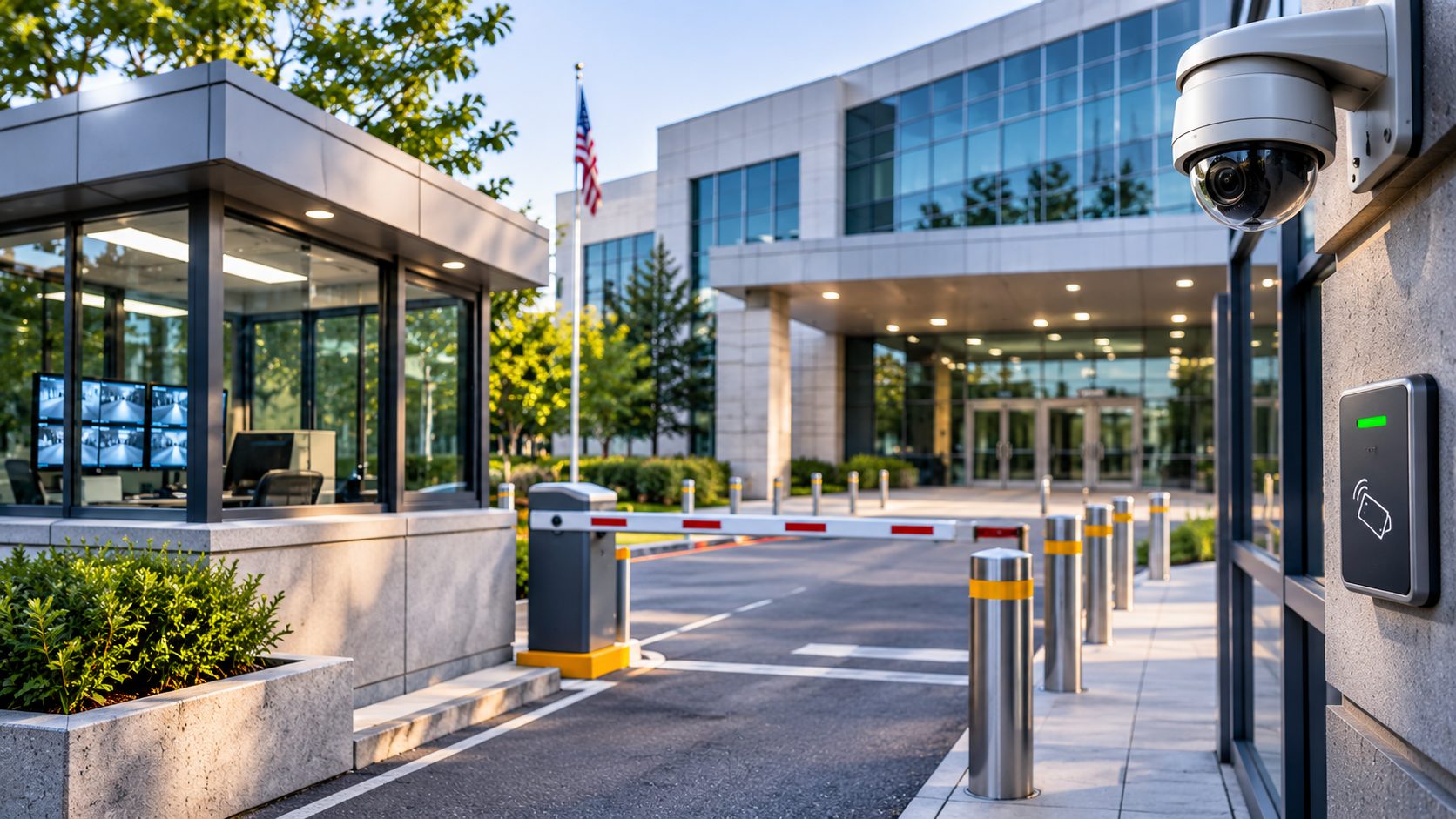
A secure facility requires more than a guarded entrance. It depends on the people, procedures, and awareness that help protect personnel, visitors, property, and daily operations.
As facilities become more complex and work environments continue to evolve, security teams face challenges that extend beyond traditional perimeter protection. Unfamiliar visitors, unclear access procedures, unauthorized activity, and delayed incident reporting can all create vulnerabilities if they are not addressed through consistent security practices.
In 2026, effective facility security increasingly requires a combination of trained personnel, situational awareness, clear procedures, and readiness to respond. The objective is not simply to control who enters a facility, but to maintain a security-conscious environment throughout the site.
1. Security Begins Before an Incident Occurs
Traditional security planning often focuses on responding to incidents after they happen. However, effective protection also depends on recognizing potential concerns before they develop into larger problems.
Security personnel play an important role in observing activity, maintaining awareness of their surroundings, and following established site procedures.
A proactive approach includes:
- Maintaining awareness of normal site activity
- Recognizing unusual behavior or unexpected changes
- Following established visitor and access procedures
- Monitoring designated areas and entry points
- Communicating concerns through appropriate reporting channels
- Escalating incidents according to facility protocols
These practices help create a more consistent security environment. They also reinforce the importance of having personnel who understand their responsibilities and know how to respond appropriately.
2. Visitor Access Requires Consistent Procedures
Visitors, contractors, vendors, and temporary personnel may enter facilities for legitimate business purposes. However, each additional point of access creates a need for clear procedures and accountability.
A visitor management process should help facilities understand who is entering, why access is required, which areas are authorized, and who is responsible for the visit.
Depending on the facility's policies and requirements, useful practices may include:
- Confirming visitor authorization
- Following established identification and registration procedures
- Recording visitor entry and departure where required
- Communicating access restrictions
- Directing visitors to approved locations
- Escalating unexpected or unauthorized access attempts
Consistency matters. When procedures differ between shifts or are not clearly understood, gaps can develop even when security personnel are present.
For federal and other controlled environments, visitor management should align with the facility's applicable security requirements, contractual obligations, and established procedures.
3. The Insider-Threat Conversation Is Evolving
Security risks do not always originate outside an organization. Insider-related risks can involve employees, contractors, or other individuals who already have some level of legitimate access.
This does not mean that every unusual action indicates malicious intent. Concerns may arise from mistakes, policy violations, compromised credentials, personal circumstances, or deliberate misconduct. Security programs need appropriate processes to identify and report concerns without making unsupported assumptions about individuals.
In September 2026, the Cybersecurity and Infrastructure Security Agency (CISA) released an updated Insider Threat Mitigation Guide. The update includes additional considerations related to hybrid and remote work, AI-enabled manipulation and deception, access control, visitor screening, and early risk detection.
For facility leaders, this reinforces the importance of coordinated security awareness.
Practical considerations include:
- Clearly defining access permissions and responsibilities
- Following procedures for reporting suspicious activity
- Maintaining appropriate visitor and contractor controls
- Communicating relevant security policy changes
- Coordinating with authorized management and security personnel
- Reviewing procedures when staffing or operational conditions change
A strong security culture is built through consistent processes, awareness, and appropriate escalation—not assumptions or unnecessary confrontation.
4. Situational Awareness Is a Daily Security Responsibility
Situational awareness means understanding what is happening within and around a facility and recognizing when activity differs from normal conditions.
It is particularly important in environments with multiple entry points, contractors, visitors, deliveries, restricted areas, and changing operational schedules.
Security personnel may need to remain attentive to:
Changes in activity: Unexpected movement, unusual gatherings, or activity outside normal operating patterns.
Access irregularities: Attempts to enter restricted areas or situations that do not follow established access procedures.
Environmental conditions: Unsecured doors, damaged barriers, unattended property, or other physical concerns.
Safety concerns: Conditions that may create immediate risks to personnel, visitors, or property.
Communication gaps: Unreported incidents, unclear instructions, or incomplete shift handovers.
Recognizing these conditions does not always require immediate intervention. Personnel should follow their training, assigned responsibilities, and site-specific escalation procedures.
5. Training and Quality Assurance Strengthen Security Readiness
Security procedures are only effective when personnel understand how to apply them. Training helps establish consistent expectations and prepares teams to perform their assigned responsibilities.
However, training should not be treated as a one-time activity. Security environments, site requirements, and operational risks can change over time.
A structured training and quality assurance approach may include:
- Reviewing post orders and assigned duties
- Reinforcing visitor and access procedures
- Practicing incident reporting and escalation
- Reviewing emergency communication processes
- Conducting appropriate performance assessments
- Identifying training needs and areas for improvement
Quality assurance also helps organizations evaluate whether established procedures are being followed consistently.
For facilities with multiple shifts or locations, standardized guidance and clear handover practices can help maintain continuity between security teams.
6. Physical Security Must Protect People, Property, and Operations
Security planning should consider more than the protection of a building's perimeter. Facilities may contain equipment, records, supplies, infrastructure, and other assets that are essential to daily operations.
A comprehensive physical security approach considers the different ways people, property, and operational activities interact.
Depending on facility requirements, this may involve:
- Monitoring designated locations
- Supporting established access restrictions
- Protecting critical assets
- Maintaining awareness of vulnerable areas
- Following procedures for loss prevention
- Coordinating with facility management when concerns arise
The objective is to reduce avoidable exposure while supporting the legitimate movement of authorized personnel and visitors.
Security measures should be proportionate to the facility's environment, risk profile, and operational requirements.
7. What Federal and Commercial Organizations Should Evaluate
Selecting a security support partner requires more than reviewing the number of personnel available. Organizations should evaluate the provider's understanding of site requirements, training expectations, supervision, and incident response procedures.
Important questions include:
- Personnel readiness: Are security professionals appropriately trained for their assigned responsibilities?
- Site awareness: Do personnel understand the facility's layout, procedures, and operational requirements?
- Access procedures: Are visitor and entry procedures clearly defined and followed?
- Incident response: Are reporting, communication, and escalation responsibilities established?
- Quality assurance: How are performance and adherence to procedures reviewed?
- Asset protection: Are security responsibilities aligned with the facility's protection priorities?
- Flexibility: Can security support be tailored to the facility's specific needs and operating conditions?
These considerations help organizations assess whether a security arrangement can support both everyday protection and changing operational requirements.
8. How Nascence Group Supports Facility Security
Nascence Group provides customized security support for federal and commercial organizations seeking to protect their personnel, facilities, assets, and operations.
Its published services include armed and unarmed security, anti-terrorism, counter-terrorism, physical security, security management, training, quality assurance and control, crime prevention, loss prevention, and asset protection.
The company emphasizes trained and experienced security professionals, routine site monitoring, situational awareness, customized protection, and 24/7 incident response.
By aligning security support with each client's infrastructure, personnel, and operational requirements, Nascence Group aims to help organizations maintain secure and dependable environments.
Conclusion: Security Is a Continuous Responsibility
A guarded entrance is only one part of a secure facility. Effective protection also depends on consistent access procedures, trained personnel, situational awareness, clear communication, and readiness to respond.
As security environments evolve in 2026, federal and commercial organizations have an opportunity to strengthen their approach by looking beyond the checkpoint and considering how security practices operate throughout the facility.
The strongest security environments are built through preparation, accountability, and people who understand their responsibilities.
Effective facility security begins with awareness and continues through every part of the operation.
Protect Your People, Property, and Operations
Nascence Group delivers customized security support through trained security professionals, physical security services, security management, and asset protection solutions designed around your facility's operational requirements.