
Beyond Curb Appeal: How Modern Grounds Maintenance Is Transforming Commercial and Federal Properties in 2026

Introduction: Grounds Maintenance Is More Than Appearance
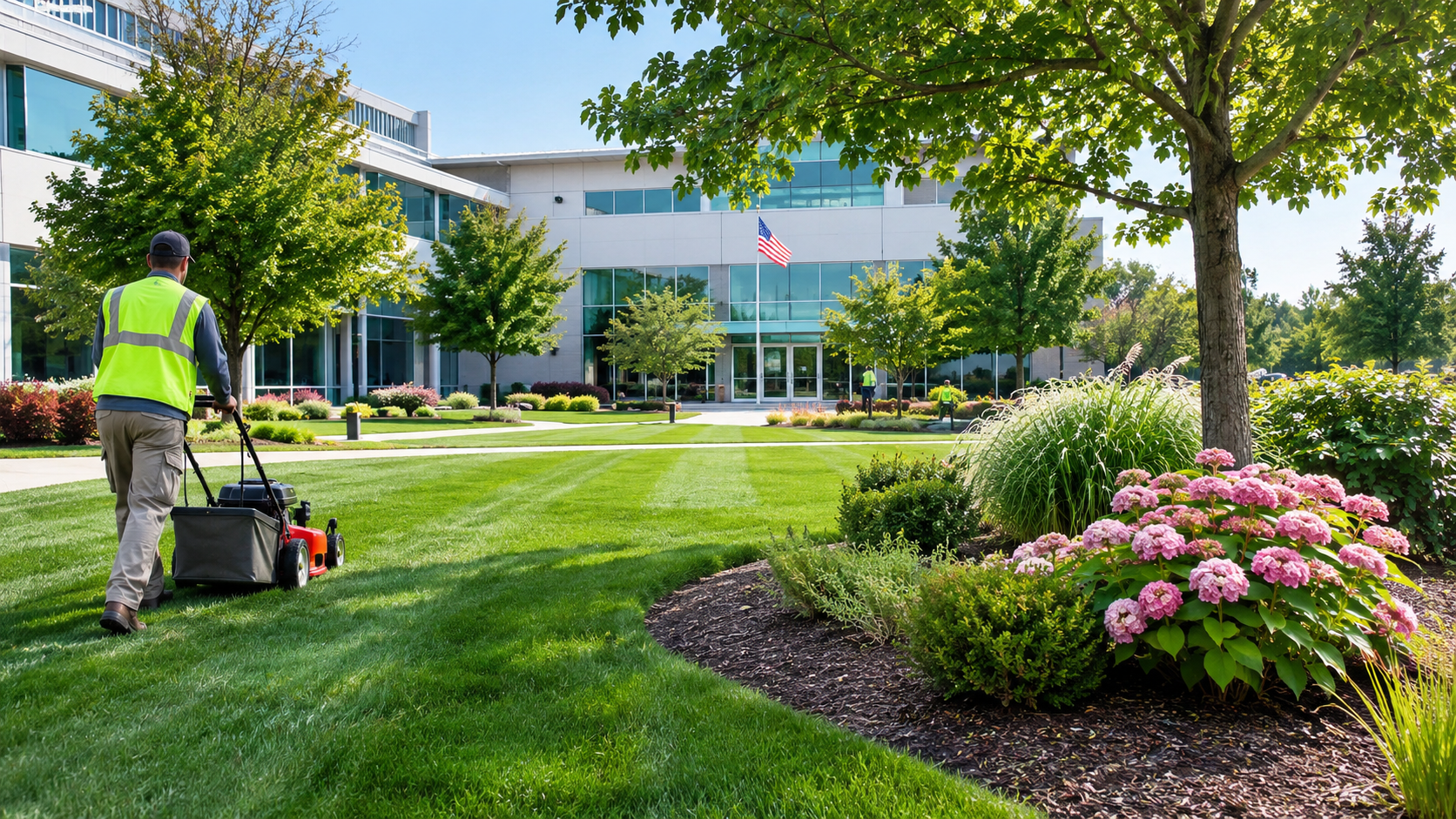
The condition of a property's outdoor environment plays an important role in how an organization operates, presents itself and maintains its facilities. Well-maintained grounds contribute to a professional appearance, support outdoor safety and help preserve the long-term condition of commercial and institutional properties.
However, expectations surrounding grounds maintenance are changing.
In 2026, property managers and facility professionals are looking beyond traditional lawn care and landscaping. Water conservation, climate-responsive planting, stormwater management, seasonal maintenance and proactive property care are becoming increasingly important considerations.
These developments are changing how organizations approach their outdoor environments. Grounds maintenance is no longer simply about maintaining attractive lawns and landscaped areas. It is about keeping properties functional, resilient and properly maintained throughout the year.
For commercial organizations and federal facilities, this requires a more structured approach that considers the unique landscape, climate, usage and maintenance requirements of each property.
1. The Changing Role of Commercial Grounds Maintenance
Traditional grounds maintenance has largely focused on mowing, edging, pruning and maintaining landscaped areas.
While these activities remain essential, modern properties require a broader approach.
Different facilities face different outdoor maintenance challenges. A government campus, commercial office complex, educational institution or industrial property may have different landscaping requirements, drainage conditions, seasonal demands and pedestrian activity.
A comprehensive grounds maintenance program should consider:
- Lawn mowing, trimming and edging.
- Seasonal landscaping and flowerbed maintenance.
- Tree and shrub pruning.
- Irrigation system monitoring and repair.
- Leaf, debris and snow removal.
- Erosion control and stormwater management.
- Hardscape cleaning and maintenance.
- Integrated pest and vegetation control.
By coordinating these activities, organizations can better maintain their outdoor spaces while addressing the operational requirements of their properties.
2. Climate-Responsive Landscaping Is Shaping Property Maintenance
One of the important developments in 2026 is the growing focus on landscapes that are appropriate for their local climate.
Traditional landscaping approaches may rely on plant varieties that require substantial watering, frequent replacement or intensive maintenance. These requirements can become challenging in regions experiencing heat, drought or irregular rainfall.
Climate-responsive landscaping considers local environmental conditions when selecting plants and planning outdoor spaces.
Important considerations include:
Native and Climate-Appropriate Plants
Selecting plants suited to local soil, rainfall and temperature conditions can help support healthier landscapes and reduce unnecessary irrigation requirements.
Drought-Tolerant Landscaping
Drought-tolerant plant varieties can help maintain landscaped areas in regions where water availability is a concern.
Soil Health and Mulching
Appropriate soil management and mulch application can help retain moisture, reduce evaporation and support plant health.
Seasonal Plant Selection
Choosing plants that perform well during different seasons can help maintain a consistent landscape appearance throughout the year.
The U.S. Department of Energy's Federal Energy Management Program identifies native and climate-appropriate plant materials as important elements of water-efficient landscaping for federal facilities.
These practices demonstrate how landscape maintenance decisions can support both environmental considerations and long-term property management.
3. Smart Irrigation and Water-Efficient Grounds Management
Water management is becoming an increasingly important part of commercial and federal grounds maintenance.
Irrigation systems must account for local weather, soil conditions, plant requirements and seasonal changes. Applying too much or too little water can affect plant health and create unnecessary maintenance challenges.
Modern water-management approaches include:
Weather-Based Irrigation
Weather-informed irrigation scheduling can help avoid unnecessary watering during rainfall or periods of lower water demand.
Soil Moisture Monitoring
Soil moisture information can help determine when landscaped areas require additional irrigation.
Drip Irrigation
Drip irrigation can deliver water closer to plant root zones, making it useful for suitable planting beds and landscaped areas.
Routine Irrigation Inspection
Checking irrigation systems for leaks, damaged components and inefficient watering patterns helps identify issues before they affect larger areas.
The Department of Energy recommends water-efficient landscape planning, appropriate plant selection and irrigation maintenance as part of federal facility water-management practices.
For property managers, the objective is to maintain healthy landscapes while using water responsibly.
4. Grounds Maintenance Is Becoming Part of Stormwater and Property Resilience Planning
Landscaped areas do more than improve the appearance of a property. They can also contribute to how outdoor spaces manage rainfall, drainage and surface conditions.
Poorly maintained drainage areas, compacted soil and damaged landscaped surfaces can contribute to water accumulation and erosion problems.
As a result, stormwater management and erosion control are receiving greater attention in commercial property maintenance.
Several practices can support better outdoor property management:
- Maintaining appropriate vegetation around drainage areas.
- Monitoring areas where water regularly accumulates.
- Keeping drainage channels and surrounding areas free from debris.
- Maintaining soil coverage and landscaped surfaces.
- Identifying erosion around slopes and exposed ground.
- Monitoring hardscape areas for deterioration.
These activities are particularly relevant to properties with extensive outdoor areas, paved surfaces, landscaped slopes and drainage infrastructure.
Grounds maintenance should therefore be coordinated with the property's wider maintenance requirements.
5. Technology and Equipment Are Improving Grounds Maintenance Operations
Technology is gradually changing how commercial landscaping businesses plan, coordinate and monitor their work.
The National Association of Landscape Professionals' 2026 Commercial Landscape Industry Report highlights growing investment in operational software and workflow improvements.
Among surveyed commercial landscape companies:
- 62% reported using seven or more software systems.
- 58% reported using GPS tracking.
- 58% identified workflow automation as a reason for changing software solutions.
These figures describe technology use and investment among surveyed landscaping businesses, not the adoption rate of any particular technology across all grounds maintenance providers.
Several developments are worth watching.
Modern Maintenance Equipment
Equipment improvements can support more efficient mowing, trimming, edging and general grounds maintenance activities.
Digital Work Planning
Digital scheduling and work-management systems can help coordinate recurring maintenance activities and seasonal requirements.
GPS and Location-Based Monitoring
GPS-enabled tools can support equipment tracking and operational coordination where implemented.
Irrigation Monitoring
Modern irrigation controls and monitoring technologies can help identify watering requirements and system issues.
Technology is most valuable when it supports practical maintenance needs, improves coordination and helps teams respond to changing property conditions.
6. Seasonal Maintenance and Year-Round Property Readiness
Commercial and federal properties experience changing maintenance requirements throughout the year.
A grounds maintenance program should account for seasonal conditions rather than relying on a single fixed approach.
Spring Maintenance
Spring activities may include lawn preparation, flowerbed maintenance, pruning, debris removal and irrigation system inspections.
Summer Maintenance
During warmer months, attention may shift towards mowing, edging, irrigation monitoring, vegetation management and maintaining plant health.
Fall Maintenance
Leaf removal, seasonal cleanup, pruning and preparing landscaped areas for colder conditions become important.
Winter Maintenance
Depending on location and contract requirements, winter support may include snow removal, ice management, debris clearance and monitoring outdoor property conditions.
Planning these activities in advance helps organizations coordinate maintenance resources and maintain better control over their outdoor environments.
7. Sustainable Grounds Management and Responsible Property Care
Sustainability is becoming an increasingly important consideration in commercial landscaping and federal property management.
Rather than focusing exclusively on the appearance of outdoor spaces, organizations are evaluating how their maintenance practices affect water consumption, vegetation, soil conditions and the surrounding environment.
Some practical approaches include:
- Selecting native and regionally appropriate plants.
- Using water-efficient irrigation practices.
- Applying mulch to suitable landscaped areas.
- Maintaining healthy soil conditions.
- Considering responsible vegetation and pest-management practices.
- Reducing unnecessary waste during seasonal maintenance.
- Selecting appropriate equipment and materials for specific property requirements.
The National Association of Landscape Professionals also identifies climate suitability, lower-maintenance plant selection and regional planting preferences as important 2026 landscaping trends.
Sustainable grounds management is not a single solution. It requires decisions that reflect the property's location, landscape design, operational requirements and available resources.
8. What Should Organizations Look for in a Grounds Maintenance Provider?
Selecting a grounds maintenance provider requires more than comparing lawn-care prices.
Organizations should consider whether a provider can manage the full range of outdoor maintenance requirements associated with their property.
Important considerations include:
1. Relevant Service Capabilities
Evaluate whether the provider can support lawn care, pruning, seasonal landscaping, irrigation, debris removal and other required activities.
2. Customized Maintenance Schedules
Maintenance frequencies should reflect the property's size, landscape conditions, climate and contract requirements.
3. Proactive Monitoring
A dependable provider should be able to identify and communicate emerging maintenance issues, including drainage concerns, vegetation problems and irrigation deficiencies.
4. Personnel and Equipment
Consider the experience of the maintenance team and the suitability of equipment for the assigned work.
5. Seasonal Readiness
Ensure that the provider can plan for seasonal requirements, including winter services where applicable.
6. Environmental Considerations
Evaluate whether the provider can incorporate water-efficient practices, appropriate plant selection and responsible grounds management methods.
A well-defined maintenance agreement helps establish expectations, clarify responsibilities and support consistent service delivery.
9. Comprehensive Grounds Maintenance Support from The Nascence Group
At The Nascence Group, we understand that every property has different landscape conditions and maintenance requirements.
Our Grounds Maintenance services are designed to support federal facilities and commercial properties through customized maintenance solutions.
Our capabilities include:
Lawn Care, Mowing and Edging
Maintaining lawns and landscaped areas through appropriate mowing, trimming and edging activities.
Seasonal Landscaping and Flowerbed Maintenance
Supporting the appearance and condition of landscaped beds through seasonal maintenance.
Tree and Shrub Pruning
Maintaining trees and shrubs through appropriate pruning and trimming activities.
Irrigation System Monitoring and Repair
Supporting irrigation system maintenance and addressing identified operational issues.
Leaf, Debris and Snow Removal
Helping maintain outdoor property areas through seasonal debris clearance and snow removal services.
Erosion Control and Stormwater Management
Supporting the maintenance of landscaped areas and drainage-related requirements.
Hardscape Cleaning and Maintenance
Maintaining paved and other hardscape areas as part of the property's overall outdoor maintenance program.
Integrated Pest and Vegetation Control
Supporting responsible management of unwanted vegetation and pest-related maintenance requirements.
Sustainable Grounds Planning and Green Practices
Incorporating appropriate water-saving technologies, native plants and environmentally responsible materials into grounds maintenance approaches.
We also emphasize customized service plans, dedicated management and operational coordination based on each property's requirements, season and scope of work.
Conclusion: Maintaining Properties Beyond Appearance
The future of grounds maintenance is moving towards a more comprehensive approach to property care.
Healthy landscapes, efficient irrigation, appropriate seasonal maintenance, stormwater management and sustainable practices are becoming important considerations for organizations responsible for commercial and federal facilities.
A well-maintained property requires consistent attention, appropriate resources and a maintenance strategy that responds to its specific conditions.
At The Nascence Group, we provide Grounds Maintenance solutions designed to support the appearance, functionality and ongoing maintenance requirements of commercial and federal properties.
Looking for dependable Grounds Maintenance Support?
Explore how The Nascence Group can help address your property's lawn care, landscaping, irrigation, seasonal maintenance and broader grounds management requirements.