
The Coordination Gap: Why Managing Multiple Facility Services Requires a More Connected Approach in 2026

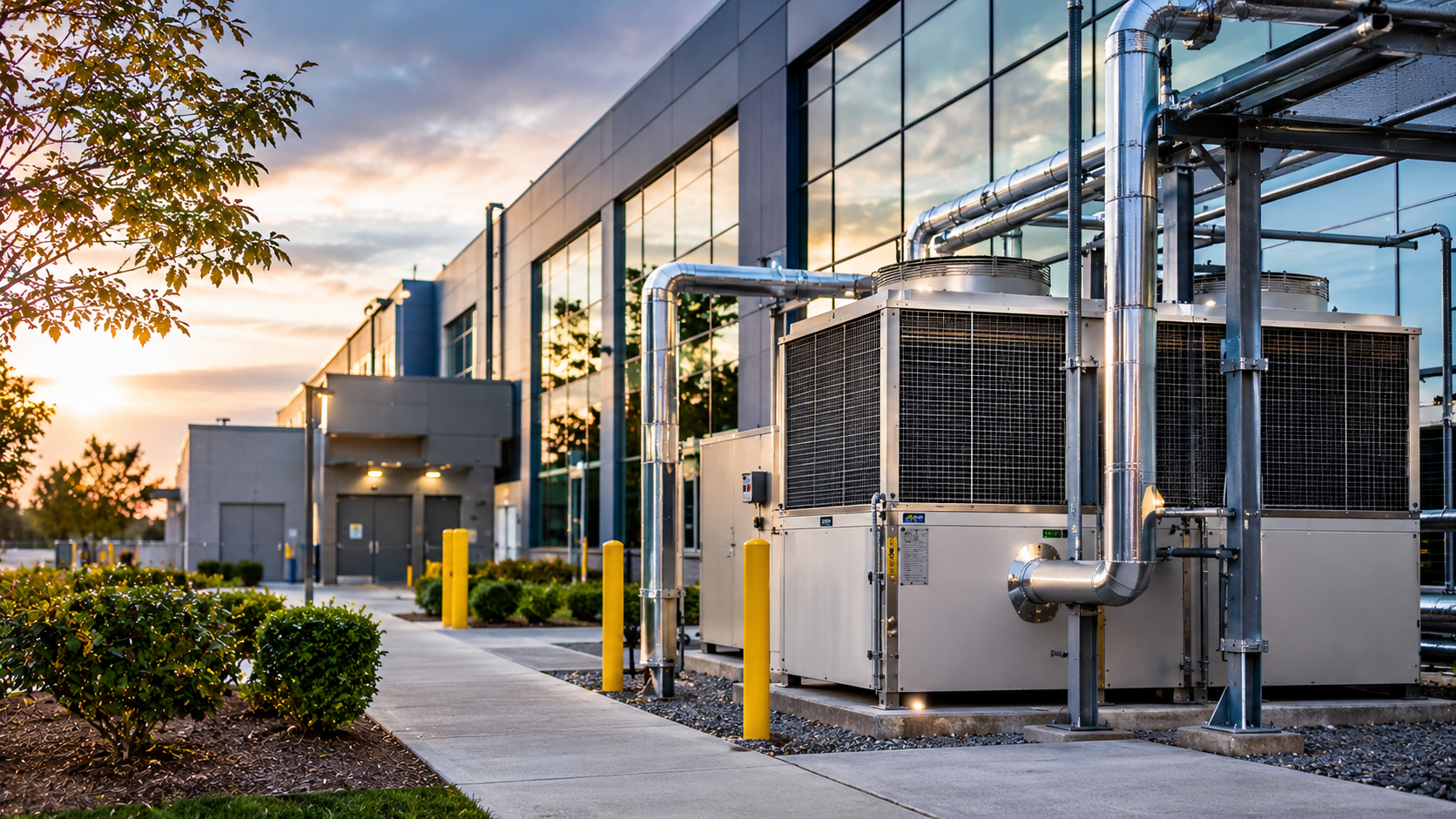
A facility rarely depends on just one service to keep its operations running. Behind every functioning workplace, commercial property or federal facility are multiple interconnected systems and support functions that require consistent coordination.
From HVAC and electrical distribution to equipment maintenance, plumbing, logistics and daily facility services, each function contributes to the overall performance of the environment. However, when these responsibilities operate independently, organizations can experience communication gaps, delayed service responses, overlapping responsibilities and difficulties maintaining consistent standards.
In 2026, facility management is increasingly focused on connecting these functions rather than treating each service as an isolated responsibility. Recent industry research points to growing investment in integrated workplace platforms, predictive maintenance and better operational data to improve visibility and coordination.
For facility managers, the challenge is not simply ensuring that individual services are completed. It is making sure that people, infrastructure, equipment and support processes work together effectively.
At Nascence Group, Facilities Support brings together multiple operational and infrastructure services through structured processes, integrated service delivery, asset-based maintenance and strategic workforce deployment. The objective is to help federal and commercial organizations maintain dependable facility operations while supporting their specific infrastructure and operational requirements.
1. The Coordination Gap: Why Separate Services Can Create Bigger Problems
A facility may have qualified personnel and established service providers for every operational requirement, but that does not automatically mean all services work together effectively.
Consider a building experiencing an HVAC issue. The maintenance team may identify the problem, but resolving it could also require access coordination, replacement components, electrical support and scheduling around the facility's operating hours.
If these activities are handled independently, even a relatively straightforward maintenance requirement can take longer to resolve.
The same situation can occur across other facility functions:
- Equipment maintenance may depend on parts availability and supply coordination.
- Electrical maintenance may require scheduled access and coordination with other building operations.
- Plumbing issues can affect occupied areas and require timely response.
- Snow removal and road maintenance may influence access to buildings and operational schedules.
- Facility repairs may require coordination between technical personnel, contractors and management.
The problem is not necessarily a lack of individual services. It is the absence of clear communication and coordination between them.
An integrated approach helps organizations understand how these responsibilities connect, who is accountable and how service activities should be prioritized.
2. Connected Facility Operations Are Becoming More Important in 2026
Facility management is evolving beyond its traditional role of maintaining buildings and responding to service requests.
Organizations increasingly expect facilities teams to contribute to operational continuity, resource management, risk reduction and better asset performance.
JLL's Global State of Facilities Management Report 2026, published October 27, highlights this shift. Based on research involving 1,321 organizations across 15 countries, the report found that 50% of surveyed occupiers currently consider facilities management a high-impact driver of competitive advantage. That proportion is expected to reach 82% by 2030.
The research also found that 45% of organizations are already scaling or optimizing AI within their facilities management operations.
These findings illustrate how expectations are changing. Facility management is becoming more closely connected to broader organizational priorities, including technology adoption, workforce planning and measurable operational outcomes.
For commercial organizations and federal agencies, this means looking beyond individual maintenance activities and considering how the entire support structure performs.
The goal is to create a more connected operating environment in which services, people and infrastructure support one another.
3. The Problem of Fragmented Information Across Facility Systems
One of the most significant challenges facing modern facility operations is fragmented information.
Maintenance records, equipment histories, service requests, inspection reports, inventory information and contractor updates may all be maintained through different systems or communication channels.
When this information is disconnected, facility managers may struggle to obtain a complete picture of operational performance.
For example:
- Equipment maintenance records may not be readily available to the personnel responsible for service scheduling.
- Supply information may not reflect the actual availability of replacement components.
- Service requests may be recorded separately from maintenance completion reports.
- Different teams may use inconsistent procedures for reporting operational issues.
These gaps can make it harder to identify recurring problems, establish priorities and understand where resources are needed.
A November 16, 2026, Verdantix research announcement highlighted this challenge. Its findings indicate that 66% of organizations identify improved visibility into data and processes as a driver of investment in workplace systems integration.
The underlying issue is not simply the number of systems an organization uses. It is whether the information within those systems can support coordinated decisions.
Facility managers should therefore review how operational information is collected, shared and used across different service functions.
Better visibility can help teams respond more effectively, recognize recurring issues and make more informed maintenance decisions.
4. Asset Visibility: Understanding What Needs Attention
Every facility depends on physical assets and infrastructure.
These may include HVAC equipment, electrical distribution systems, plumbing infrastructure, vehicles, machinery, fuel distribution systems and other operational equipment.
However, maintaining these assets effectively requires more than knowing that they exist.
Facility managers need to understand their condition, maintenance history, service requirements and operational importance.
Without reliable asset information, organizations may find it difficult to prioritize maintenance activities or identify equipment that requires closer attention.
An asset-based maintenance approach can help address this challenge.
It involves maintaining organized information about facility assets and using that information to support maintenance planning, service scheduling and resource allocation.
Practical considerations include:
Asset identification: Maintain accurate records of equipment, systems and infrastructure across the facility.
Maintenance history: Document completed maintenance activities, reported issues and recurring equipment problems.
Service prioritization: Consider asset condition, operational importance and the potential consequences of equipment failure.
Replacement planning: Review aging equipment and identify assets that may require repair, refurbishment or replacement.
Performance monitoring: Evaluate whether maintenance activities are supporting reliable equipment operation.
For organizations managing multiple buildings or complex infrastructure, consistent asset information can make maintenance planning more structured and predictable.
5. Moving from Reactive Maintenance to Better Planning
Reactive maintenance remains necessary when unexpected equipment failures or infrastructure problems occur. However, relying entirely on reactive responses can create operational pressure.
An unexpected HVAC failure, electrical issue or plumbing problem may disrupt facility activities and require urgent attention.
A more structured maintenance approach considers the condition and requirements of assets before problems become major operational disruptions.
This may include scheduled inspections, manufacturer-recommended maintenance, equipment servicing, condition assessments and maintenance records.
Technology can also support this transition.
Johnson Controls' July 2026 survey of 260 US-based facilities managers found that 67% of respondents were already using AI to improve facility operations, while 61% planned to expand its use.
The research also identified data quality and integration as important barriers to broader technology adoption.
This is an important distinction: technology alone does not guarantee better maintenance outcomes. Organizations need reliable information, suitable processes and personnel who can interpret and act on operational data.
For facility managers, the priority should be selecting maintenance approaches that match the equipment, operating environment and available resources.
6. Workforce Coordination: The People Behind Facility Performance
Even the most organized facility management structure depends on capable personnel.
Maintenance technicians, equipment operators, logistics personnel, supervisors and other support professionals each contribute to facility operations.
However, workforce coordination can become difficult when responsibilities are unclear or service requirements change.
For example, a maintenance task may require several personnel with different technical responsibilities. Without effective scheduling and communication, work can be delayed or duplicated.
JLL's 2026 research identified workforce shortages as a significant operational vulnerability. Nearly 70% of surveyed organizations reported disruptions associated with skilled-trades labor shortages and AI or technical skills gaps during the previous year.
This highlights the importance of workforce planning alongside infrastructure and technology investments.
Organizations should consider:
- Defining responsibilities across service functions.
- Matching personnel capabilities with operational requirements.
- Coordinating work schedules across different teams.
- Maintaining clear communication between supervisors and service personnel.
- Identifying training requirements as equipment and technologies evolve.
- Establishing reporting procedures for completed work and unresolved issues.
A well-coordinated workforce helps organizations maintain consistency across different facility functions.
7. Supply and Logistics: An Often-Overlooked Part of Facility Support
Facility operations also depend on the availability and movement of materials, supplies, equipment and replacement components.
A maintenance task may be identified and scheduled, but the work cannot always proceed if the necessary materials are unavailable.
This is where supply and logistics support becomes important.
Organizations managing complex facilities need to consider how supplies are requested, sourced, stored, tracked and distributed.
A more structured approach can help reduce avoidable delays and improve coordination between maintenance activities and material availability.
Important considerations include:
Supply visibility: Maintain accurate information about available materials and equipment.
Inventory planning: Identify frequently required supplies and components to support routine operations.
Procurement coordination: Align purchasing activities with actual facility and maintenance requirements.
Distribution planning: Ensure that materials reach the appropriate teams or operational locations.
Documentation: Maintain records of supply requests, deliveries and inventory movements.
Supply and logistics support should not be treated as separate from facility operations. It is one of the functions that helps maintenance and other support activities move forward.
8. What Facility Managers Should Look for in an Integrated Support Approach
Selecting the right facility support arrangement requires an understanding of the organization's operational environment.
Different facilities have different infrastructure, staffing requirements, operating schedules and service priorities.
A suitable support approach should therefore be based on actual requirements rather than a generic list of services.
Here are several important considerations.
Understanding the facility environment
Review the buildings, equipment, infrastructure and operational activities that require support. This provides a clearer picture of the services needed.
Clearly defined responsibilities
Establish who is responsible for individual service functions, reporting, scheduling and issue resolution.
Coordinated service delivery
Consider how maintenance, logistics, infrastructure support and other services interact with one another.
Consistent performance monitoring
Use appropriate service records, inspection reports and performance measures to understand whether requirements are being met.
Workforce readiness
Evaluate whether personnel have the relevant experience, training and resources for their assigned responsibilities.
Adaptability
Facility requirements can change with occupancy, infrastructure conditions, seasonal demands and operational priorities. Support arrangements should be able to respond to these changes.
A well-planned integrated approach helps organizations create a clearer structure for managing their facility responsibilities.
9. How Nascence Group Supports Connected Facility Operations
Federal and commercial facilities require support services that reflect their infrastructure, operational requirements and service expectations.
Nascence Group's Facilities Support offering brings together multiple operational and infrastructure-related capabilities designed to support these environments.
Its service areas include:
Operations and Maintenance: Supporting ongoing facility operations and maintenance requirements.
HVAC and Plumbing: Supporting essential building systems that contribute to functional and dependable facility environments.
Electrical Distribution Systems: Supporting electrical infrastructure and related operational requirements.
Vehicle and Equipment Maintenance: Supporting the maintenance of vehicles and equipment used in facility operations.
Fuel and Oil Distribution Systems: Supporting infrastructure associated with fuel and oil distribution.
Structural and Architectural Support: Addressing facility-related structural and architectural requirements.
Roads and Grounds Maintenance: Supporting external infrastructure, access areas and grounds.
Snow Removal: Supporting access and operational requirements during seasonal winter conditions.
Supply and Logistics Support: Helping coordinate materials, supplies and logistical requirements.
The wider service offering also includes janitorial support, landfill and recycling center support, pest management and wastewater services.
Through integrated service delivery, asset-based maintenance, strategic workforce deployment and performance-focused processes, Nascence Group supports organizations seeking a more structured approach to their facility operations.
The emphasis is on understanding each facility's requirements and aligning the appropriate support functions with its operational needs.
Conclusion: Better Facility Performance Requires Better Coordination
A facility is more than a collection of buildings, systems and equipment. It is an interconnected operating environment that depends on people, infrastructure, materials and services working together.
When these functions operate independently, organizations can face communication gaps, delayed maintenance, fragmented information and difficulties maintaining consistent service standards.
In 2026, the direction of facilities management is increasingly focused on connected operations, better information visibility, workforce readiness and more structured maintenance planning.
For federal agencies and commercial organizations, the opportunity lies in moving beyond isolated service activities and developing a more coordinated approach to facility support.
Ultimately, successful facility operations depend not only on the services being delivered but also on how effectively those services work together.
Bring Your Facility Services Together
Nascence Group delivers integrated Facilities Support solutions designed around your infrastructure, occupants and operational requirements.